Narration
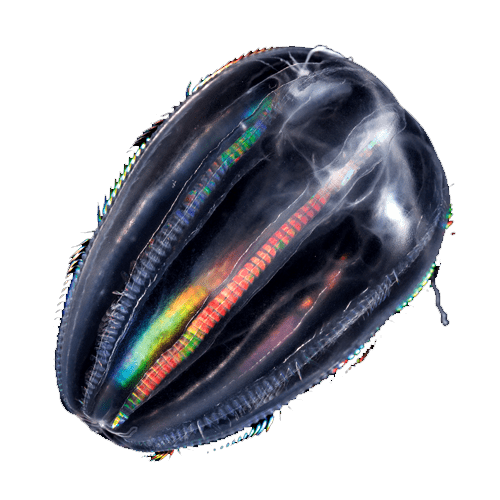
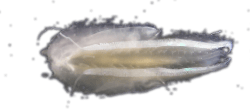
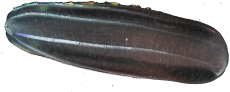
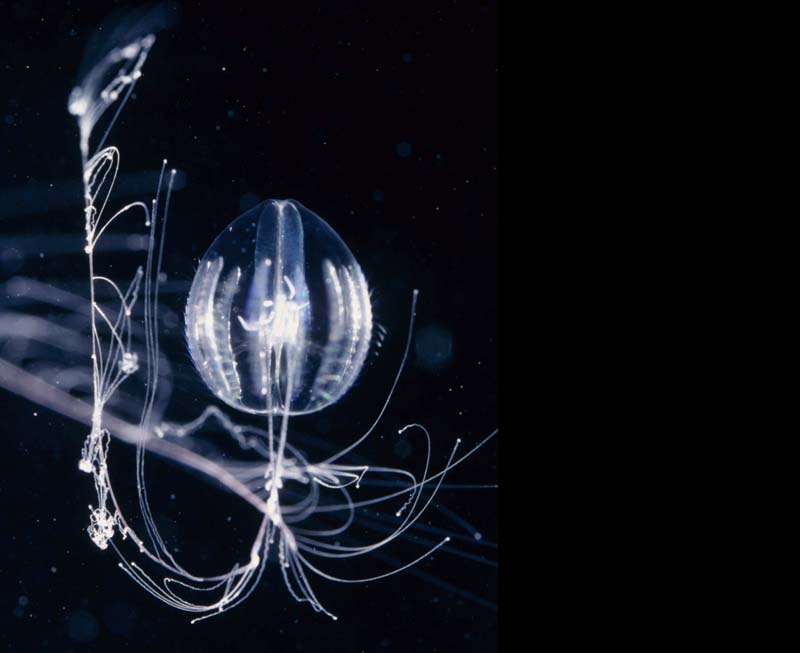
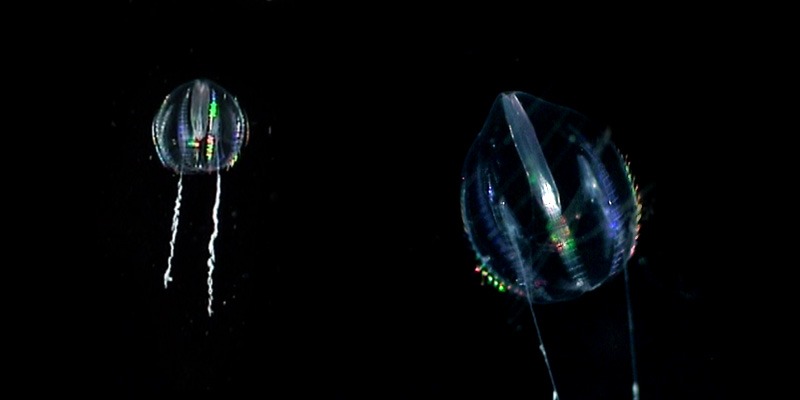
Animal planctonique gélatineux, Pleurobrachia ressemble à un lampadaire chinois, une boule de Noel ou une enseigne clignotante.
Pleurobrachia veut dire bras sur le côté. Il est appelé groseille de mer, ou œil de chat chez les anglais.
Pleurobrachia appartient à la famille des cténaires ou ctenophores, du grec ctenos qui signifie peigne. Ces peignes permettent aux cténophores de se déplacer. Ils sont formés de rangées de milliers de cils qui sont iridescentsquand ils sont éclairés.
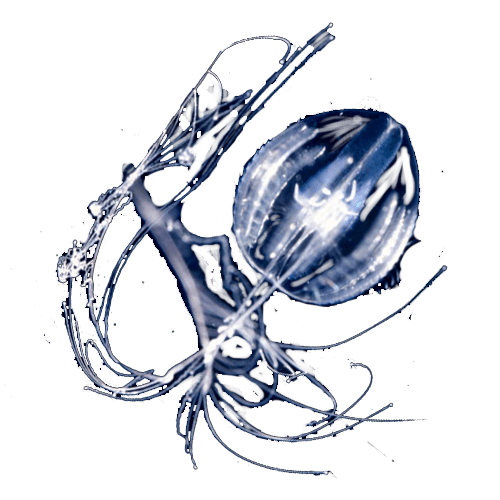
Les cténaires sont des carnivores. Ils capturent leurs proies – du zooplancton – grâce à leurs longs tentacules ornés de cellules collantes. Ils les ramènent ensuite vers leur bouche.
Ces animaux sont parmi les plus anciennes espèces à avoir développé un système neurosensoriel. En les étudiant, les biologistes espèrent comprendre comment est apparu le premier neurone.
La position des cténaires dans la classification du vivant est toujours sujette à discussion. On se demande si les cténaires sont encore plus anciens que les méduses et les éponges.
Share this on
Production
CNRS Images
Original Idea
Christian Sardet
Director
Véronique Kleiner
Texts
Véronique Kleiner
Images
Véronique Kleiner
Editing
Nicolas Mifsud
Sound mix
Thomas Huguet
Voice
François Briault
Sound Engineer
Jean Christophe Desnoux
Director of production
Véronique Kleiner
Production assistant
Céline Farlita
Creative Commons Licence :
Attribution Non-Commercial
No Derivative